ഇന്നത്തെ ചിന്ത മനുഷ്യനും അവൻ്റെ ചിന്തയും ഒരിക്കൽ പോലും ജാതിവ്യവസ്ഥക്കു അടിമപ്പെട്ടില്ല .തീർച്ച ജീവിക്യാൻ ബുദ്ധിമുട്ട് ണ്ടാക്കിയ സമയം പരസ്പരം അറിഞ്ഞുമാറി അറിയുന്നതൊഴിൽ സ്വീകരിച്ചു. അല്ലെങ്കിൽ ശക്തിയും ബുദ്ധിയും കൂടുടിയവർ സമുഹനീധി നടപ്പാക്കുവാൻ മുന്നിട്ട്ഇറങ്ങി .തുടർന്ന് വ്യവസ്ഥാപിതമായ ഒരു ജീവിത ചുറ്റുപാട് ഉടലെടുത്തു. അവിടെ കരുത്തേറിയവർ ഭരിക്കുകയും തെരെഞ്ഞടുത്തവർനേതാവാകുകയുംചെയ്തു .
ധാഷ്ട്യം കൈമുതലായുള്ളവർ കൂടി,.... അവർ ഭരിക്കുവാൻ ഭിന്നി പ്പിക്കുന്നതിൽ കൂടുതൽ തല്പരരായ .........അങ്ങനെ പാവപ്പെട്ടവനും ഇടത്തരക്കാരും സമ്പന്നരും ഉണ്ടായി, പാവപ്പെട്ടവർ ചൂഷണം ചെയ്യപ്പെടുന്നു എന്ന കണ്ടത്തെൽ വിപ്ലവചിന്തയും? . സമൂഹം എന്നും ചൂഷകരുടെയും വിധേയരുടെയും ആയി .പുതിയ സമ്പന്നർ വിശ്വാസം അടിസ്ഥാനബലം മാക്കി മാറ്റി. ഇവിടെ മതം കൂടുതൽ കരുത്തേറി. സമൂഹം മറ്റെന്തിനേക്കാളും ജീവിതവിജയത്തിനുവേണ്ടി വിശ്വാസത്തെ മുറുകെപ്പിടിച്ചു. അങ്ങനെ ആധുനികകാലഘട്ടത്തിന്റെ പ്രെശ്നപരിഹാരം തീർത്തും അവൻ്റെ കാലത്തിന്റെ നിലനിൽപിന് ആവശ്യം വേണ്ടത് എന്നതോന്നൽ ശക്തമായി ,എല്ലാവരും വിശ്വാസികളായി മാറി. ജീവിത സംസ്കാരം ഒരോ കാലത്തും യൂറോപ്യൻ സംസ്കാരത്തിനോട് കൂടുതൽ അടുത്തു. കൂടുതൽ സ്വാതന്ത്രവും തന്നിഷ്ടങ്ങളും പരിപാലിക്യപ്പെടുന്ന വസ്തുനിഷ്ഠമായ " മതം ".
ആചാരങ്ങളും അനുഷ്ടാനങ്ങളും ജീവിതരീതിയും കുടുംബകെട്ടുറപ്പിനു ഉപാദിയുമായി മാറി . ജീവിത പ്രശ്നങ്ങൾ പരിഹരിക്ക പെടുവാൻ അനുഷ്ടങ്ങൾ അനിവാര്യമായ് മാറി .
സമ്പന്നത ഇല്ലാത്ത കാലത്തും മനുഷ്യൻ ദൈവങ്ങളിൽ നിന്നും അലിവ് പ്രതീക്ഷിച്ചു കാരണം അദൃശ്യമായ പ്രകൃതി ശക്തികൾ എന്നും മനുഷ്യന് അന്നും ഇന്നും വെല്ലുവിളിയായി നിലനിൽക്കുന്നു . ശാസ്ത്രം എത്ര കാര്യങ്ങൾ കണ്ടെത്തിയെങ്കിലും ഒന്നും സത്യമാണ്എന്ന് ഒരുകാലത്തും പ്രശ്നടിസ്ഥാനത്തിൽ തെളിയിക്കുവാൻ സയിൻസ് ന് കഴിഞ്ഞട്ടില്ല അല്ലെങ്കിൽ നാം കണ്ടെത്തിയസത്യങ്ങൾ പുതിയവക്ക് വഴിമാറി നില്കുന്നു അതാണ് ആധുനികസംസ്കാരം ആചരിക്കാൻ എളുപ്പമുള്ള കണ്ടെത്തലുകൾ . അവിശ്വാസം എന്നുപറയുന്ന എന്തും എന്നും സത്യങ്ങൾ ആയി മാറി, മുറുകെ പിടിക്കുന്നവ ഒരാള്കുശരിയല്ല എന്ന് തോന്നുന്നപക്ഷം നിയമം സ്വയം സത്യം കണ്ടെത്തുന്നു . ഇവിടെയും മനുഷ്യന്റെ കണ്ടെത്തലുകൾ വിശ്വാസത്തിന്റെ അടിസ്ഥാനത്തിൽ മാത്രം ,എല്ലാ പാർട്ടികളും അണികളെ നിലനിർത്തുന്നതും ഈ അന്തമായ വിശ്വാസത്തിൻറെ അടിസ്ഥാനത്തിലാണ് . ആദ്യ മനുഷ്യൻ സത്യം മുറുകെ പിടിക്കുകയും ശരി മാത്രം നടപ്പാക്കുകയും ചെയ്തു . ആധുനിക പ്രസ്ഥാനങ്ങൾ എന്നും പ്രസ്ഥാനങ്ങളുടെ ശരിക്കുമുകളിൽ അടയിരിക്കുകയും വിരിയിക്കുകയും ചെയുന്നു . വ്യക്തി സ്വയം താൽപര്യങ്ങളിൽ ഊന്നി പ്രേശ്നങ്ങളെ കാണുമ്പോൾ അത് ലളിതവും മറ്റുള്ളവർക്ക് സ്വീകാര്യമല്ലാത്ത അവിശ്വാസവും മാകുന്നു . സ്വാതന്ത്രചിന്ത അഥവാ വിശാല കാഴ്ച്ചപ്പാടുകൾ ഒരുനേതാവിന്അവശ്യം വേണ്ട ഗുണമാകുന്നു . വികാരവായ്പൊടു കൂടി സ്വന്തം താല്പര്യവിജയം കാംക്ഷിക്കുമ്പോൾ മറ്റുള്ള ഏതൊരുചിന്തയും അടിസ്ഥാനരഹിതവും പാലിക്കാൻ പാടില്ലാത്തതുമായ് മാറുന്നു അങ്ങനെ അന്ധവിശ്വാസം ഉടലെടുക്കുന്നു . എവിടെ എല്ലാവരെയും ഒരേപോലെ ഒരു ഭരണനേതൃത്വം കാണുന്നുവോ അവിടെ അവിശ്വാസങ്ങൾ ഇല്ലാതാകുന്നു . വിശ്വാസം ഒരു മനുഷ്യസമൂഹത്തിന്റെ അടിസ്ഥാന ജീവനോപാധിയാണ് അത് എന്നും എക്കാലത്തും നിലനിൽകപ്പെടേണ്ടതാണ് ഓരോരുത്തരും എക്കാലത്തും ഒരെ വിശ്വാസത്തിൽ നിലനില്കുന്നുവെന്നതും തെറ്റായ സന്ദേശമാണ് കാലോചിതമായ മാറ്റങ്ങൾ സമൂഹം എക്കാലത്തും ഉൾക്കൊള്ളുകയും ആചരിക്കുകയും ചെയുന്നു.................. ഇനി തുടർന്നുള്ള കാലങ്ങളിലും മനുഷ്യനും ജീവസമൂഹവും പ്രകൃതിയുടെ മാറ്റങ്ങൾ ഉള്ളത്കൊടു നീണ്ടനാൾ തുടരും. അതിനു ഒരു നേതാവ് കൂടെവേണമെന്നില്ല ഒരാൾ വരും അദ്ദേഹം മാറ്റങ്ങളുടെ നേതൃത്വവും ഏറ്റെടുക്കും തീർച്ച അയാൾ തെരെഞ്ഞടുക്കപ്പെടുന്നവനല്ല പകരം സ്വയംഭൂ .....ഉണർവിനും ഉറക്കത്തിനും ജീവൻ നൽകുന്ന ഒരു ശക്തി ഇവിടെ ഉണ്ട് നാളെ എല്ലാവരെയും അവൻ നയിക്കും തീർച്ച ...... .
2018 ഒക്ടോബർ 12, വെള്ളിയാഴ്ച
ഇന്നത്തെ ചിന്ത
ഈ ലോകത്തെ എല്ലാ നിർമ്മാതാവും വില്പനക്കാരനും വിശ്വാസം വിറ്റുജീവിക്കുന്നവരാണ്.ഒരു സാധാരണക്കാരന് ഒരു പിടിവള്ളി ദൈവവിശ്വാസമാണ് ,അവൻ അത് വിലകൊടുത്തു വണങ്ങുന്നു .ഒട്ടും സങ്കോചമില്ലാതെ . ജീവിതം കരുപിടിപ്പിക്യൻ പണമുടക്കില്ലാത്ത മറ്റുമാർഗം ഒന്നുതരുമോ ...? വെള്ളപ്പൊക്കത്തിൽ വീട് പോയവൻ അയ്യപ്പനെ വിളിക്കുന്നു ..അവന്റെ പ്രതീക്ഷ ..അതും കൈവിട്ടാൽ എല്ലാം തകരും ... . മനുഷ്യന് ജീവിക്യാൻ ഒരുവിശ്വാസം വേണം . അവനുക്കുഞ്ഞിനുവേണ്ടി കരുതാൻ നേരെ നടത്താൻ നല്ലതു പറയാൻ എന്തിനു സ്വസ്ഥമായി മരിക്യൻ അവനു ഒരു വിശ്വാസം ... . അത് ആരും കാണാത്ത ആ മായാ ശക്തി ഒരു പക്ഷെ വിവരക്കേടാകം എന്നിരുന്നാലും .......സർക്കാരിൽ ഒരുവിശ്വാസം ,കോടതിയിൽ ഒരുവിശ്വാസം അമ്മയിലും അച്ഛനിലും അങ്ങനെ ആചരിക്യനും കൊണ്ടാടാനും പേടിക്യനും എല്ലാത്തിനും ഒരുവിശ്വാസം .......വേണം .
കണ്ണും മനസ്സും ശരീരവും ചലനമുള്ളതാണ്. എവിടെയും അതിനു സ്ഥായിഭാവം ഇല്ല. ഉണർന്നിരിക്കുമ്പോയുംഉറങ്ങുമ്പോയുംമനസ്സ്കര്മനിരതമാണ്. വരാൻ പോകുന്ന കാലത്തിന്റെ മുന്നിൽ കാണുന്നു .ഭാവി മുന്നിൽ കണ്ടുകൊണ്ടു പ്രവർത്തിക്കുന്നു ,ആസൂത്രണം എന്ന് പേരും കൊടുക്കുന്നു .ഭാവിയെ കുറിച്ച്വേവലാതിപെടുന്നു ഇന്ന് നമ്മൾ ഉണ്ടകക്കുവാൻ പോകുന്നത് എന്തും നാളെയുടെ സ്പ്നങ്ങൾ മാത്രം .ഇന്ന് കാണുന്നത് നല്ല നാളെ യാണ്അതെയതെവിശ്വാസം നാളെ നമ്മൾക്ക് നല്ല കാലം വരും ....കഴിഞ്ഞകാലം നമ്മളെ പഠിപ്പിച്ച തും ചിന്തിച്ച തും അതുതന്നെ .".വിശ്വാസം ഒരുആസൂത്രമാണ്നിയത്രണങ്ങൾ കൃത്യമായിപാലിച്ചുള്ള ഒ രു ആസൂത്രണം ...അതിന്റെ അടിത്തറ ഇളകുവാൻ കഴിയുന്ന ഒന്നല്ല .താന്ത്രിക ചക്രം ജീവചക്രമാണ്...കണക്കിന്റെ ശാസ്ത്രത്തിന്റെചക്രമാണ്ഒരാൾക്കും ഒന്നും ഇളക്കി പ്രതിഷ്ഠിക്കുക എളുപ്പമല്ല "....ഭ്രാന്തമായചിന്തകൾ ചിലപ്പോൾ എടുത്തു ചാടി ചിലതുനടപ്പിലാക്കിയെക്യം..എന്നാൽ ഇന്ന് കാണുന്ന എല്ലാ ക്ഷേത്രങ്ങളും പുനർ നിർമ്മിക്ക പെട്ടതാണ് അതുകൊണ്ടു തന്നെ ഇതും താൽക്കാലികമായ ചിന്ത ..അയ്യപ്പൻ തീർച്ചയായും ഒരു വഴി കാണിക്കും നമ്മുക്ക്വിസ്വാസിക്യം.
2018 ഒക്ടോബർ 8, തിങ്കളാഴ്ച
ഇന്നത്തെ ചിന്ത
വിപ്ലവം എത്രമാത്രം, അത്രയും തന്നെ വിശ്വാസങ്ങളും ഉണ്ട് . പാർട്ടികൾ നിലനില്കുന്നതുപോലും ഒരുവിശ്വാസത്തിന്റെ പേരിൽ....... അതും ...........ഒരു അന്തമായവിശ്വാസ ത്തിന്റെ അടിസ്ഥാനത്തിൽ . ജീവിതം ചിന്ത എല്ലാം ഓരോരോ വിശ്വാസം . എവിടെ നമ്മൾ ശരിക്കുള്ള ചിന്തക്ക് അടിമപ്പെടും ജീവിക്കുന്നത് പോലും നാം ചീട്ടുകൊട്ടാരംപോലെ കെട്ടിപ്പടുത്ത നമ്മുടെ സംസ്കാര ത്തിന്റെ ചില്ലുമേടയിൽ നിന്നുകൊണ്ടാണ് ..സോഷ്യലിസം കമ്യൂണിസം ക്യാപ്റ്റലിസം എല്ലാം വിപ്ലവം ...ചിന്തകൾ മനസ്സ് ബന്ധനങ്ങൾ ബന്ധങ്ങൾ ..ജീവിതം മിഥ്യയാകുന്ന സ്നേഹ ബന്ധത്തിന്റെ നൂൽ ബന്ധത്തിൽ ശക്തമായി കെട്ടിയിരിക്കുന്നു ...ആർക്കും എപ്പോൾ വേണമെങ്കിലും ഇ ബന്ധനങ്ങൾ പൊട്ടിക്യപ്പെടാം അഫ്ഗാനിസ്ഥാനിൽ ബുദ്ധപ്രതിമകൾ തകർന്നു ..ആരും ഒരിക്കലും കരയേണ്ടിവന്നില്ല ...ഇതുപോലെ ചിലതെല്ലാം ഉടക്യപ്പെടും എന്നാൽ അവ കൂടുതൽ ശക്തമായി പുനർജനിക്കും. കുഞ്ഞുണ്ണി മാസ്റ്റർ പറഞ്ഞതുപോലെ ..."ദൈവം മനുഷ്യനെ സൃഷ്ടിച്ചു മൂന്നാം നാൾ തഥാ ദൈവത്തെയും "
2018 സെപ്റ്റംബർ 28, വെള്ളിയാഴ്ച
ജീവിതവും കുടുംബവും സമൂഹവും ഒരു സങ്കല്പമാണ് ഇവിടെ വിശ്വാസം നേ ർ ത്തചരട് കുടുബവും സമൂഹവും ഒന്നിപ്പിക്കുന്ന ഒരു ചരട് .
ഒരുവിശ്വാസത്തിൽമുഗളിനാണുജീവിതം .അതുകൂടി നശിച്ചാൽ ഒരു ജീവസഞ്ചയം ഇല്ലാതാകും .കൊട്ടുറപ്പുള്ള ഒരു കുടുംബം അനിവാര്യമായ സാഹചര്യത്തിൽ കുടുംബം രൂപംകൊണ്ടു .അതിനു വ്യവസ്ഥിതികൾ രൂപം കൊണ്ടു .സമൂഹം അതിനു നിയമം കൊണ്ട് വന്നു അതിനു പരിപാലിക്കുന്നതിനു നിയമം . ആ വ്യവസ്ഥിതികൾ തലനാര് കീറി പരിശോധിക്കുവാൻ മേൽക്കോടതി അഥവ പഞ്ചായത്തുകൾ വന്നു നീതി ഉറപ്പാക്കി .എന്തായിരുന്നാലും സമൂഹനല്മ നൽകുന്ന കാര്യങ്ങൾ മാത്രമായിരുന്നു, കോടതി യുക്തി പ്രധാന്യമുള്ളചിന്ത . കുറഞ്ഞ ജനം ഉള്ള കാലഘട്ടത്തിൽ ഉണ്ടക്കിയ നിയമങ്ങൾ ഏറെക്കുറെ ഇത്രയും കാലം സമൂഹം അംഗീകരിച്ചു കോടതികളുടെ എണ്ണം കൂടി എന്നാൽ പുതിയവ വന്നെങ്കിലും കോടതികൾ തല്പരകക്ഷികൾക്ക് അനുകൂലമാകുന്നതരത്തിൽ തീരുമാങ്ങൾ എടുത്തു. പല നിയമങ്ങളും സാമൂഹ്യനീതിക് വേണ്ടി കോടതികയറി . ജനം നോക്കുകുത്തിയായിമാറി .ഭൂരിപക്ഷചിന്തകൾ പരിഗണിക്കുന്ന കാലങ്ങൾ ഇല്ലാതായി .മുതിർന്ന ചിന്തകൾ ഇല്ലാതായി. നിയമങ്ങളുടെ പഴുതുകൾ ആവസ്യക്കാർക്ക് വേണ്ടി ദുർവിനിയോഗം ചെയ്യുന്നതിൽ വക്കലത്ത് നൽകുന്നവർ പരമാവധി ഉപയോഗപ്പെടുത്തി .
രാജ്യ സുരക്ഷക്ക് ഏകസിവില്കോഡ് വേണം എന്ന വാദം ഒരു ന്യൂനപക്ഷത്തിനുവേണ്ടി മാറുകയും നിയമത്തിന്റെ പരിരക്ഷയിൽ എന്നും കുടുങ്ങികിടക്കുകയും ചെയുന്നു .
ഒരു സമൂഹം ലാളിച്ചു കൊണ്ടിരിക്കുന്ന പല സങ്കല്പങ്ങളും അവരുടെ മാത്രമാണ് അവിടെ ഒരു കൂട്ടാത്തെ വെക്തിയായി കാണേണ്ടുന്നകാലം വിദൂരമല്ല .
business finance and financial management
MEANING OF BUSINESS FINANCE
MONEY REQUIRED FOR CARRYING OUT BUSINESS ACTIVITIES(selling and buying of goods and services)is called business finance.
Problems with growth: lack of finance
As your business grows, you will need more funding. This is to cover paying for:
new staff
facilities
raw materials
supplies
developing new products and features
Finance is the life blood of business. The growth and expansion depend upon the availability of fund
Absence of finance or shortage of finance create toxic problem in business activities gradually the business will shut down.
Meaning of business finance
Business finance refers to money and credit employed in business. It involves procurement and utilization of funds so that business firms may be able to carry out their operations effectively and efficiently. ... i) Business finance includes all types of funds used in business.
scope of financial management :
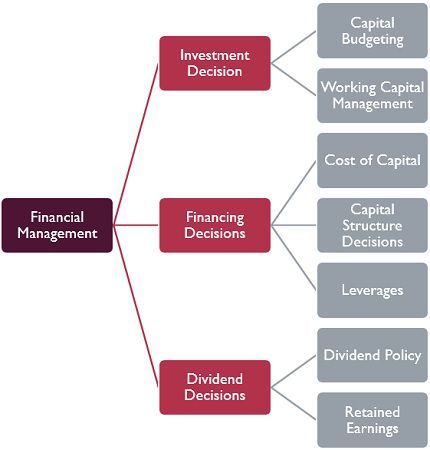
Some of the major scope of financial management are as follows: 1. Investment Decision 2. Financing Decision 3. Dividend Decision 4. Working Capital Decision.
1. Investment Decision:
The investment decision involves the evaluation of risk, measurement of cost of capital and estimation of expected benefits from a project. Capital budgeting and liquidity(working capital) are the two major components of investment decision. Capital budgeting is concerned with the allocation of capital and commitment of funds in permanent assets which would yield earnings in future.
A. Capital budgeting(A long -term investment decision) also involves decisions with respect to replacement and renovation of old assets. The finance manager must maintain an appropriate balance between fixed and current assets in order to maximize profitability and to maintain desired liquidity in the firm.
Capital budgeting is a very important decision as it affects the long-term success and growth of a firm. At the same time it is a very difficult decision because it involves the estimation of costs and benefits which are uncertain and unknown.
B. Working capital Decisions:- (short term investment decisions)are concerned with the cash inflow and out flow ,inventories(raw materiel,work-in-progress and finished stock of goods),sundry debtors. It will discriminate the smooth flow and profitability of business.
2. Financing Decision:This decision is about the quantum of finance to be raised from various Long-term sources ,which may be debt or equity.
While the investment decision involves decision with respect to composition or mix of assets, financing decision is concerned with the financing mix or financial structure of the firm. The raising of funds requires decisions regarding the methods and sources of finance, relative proportion and choice between alternative sources, time of flotation of securities, etc. In order to meet its investment needs, a firm can raise funds from various sources.
Capital structure
The finance manager must develop the best finance mix or optimum capital structure for the enterprise so as to maximize the long- term market price of the company’s shares. A proper balance between debt and equity is required so that the return to equity shareholders is high and their risk is low.
Use of debt or financial leverage effects both the return and risk to the equity shareholders. The market value per share is maximized when risk and return are properly matched. The finance department has also to decide the appropriate time to raise the funds and the method of issuing securities.
3. Dividend Decision:(This decision relates to the appropriation of profits earned) .The decision relate to dividends and retained earnings(ploughing back of profit)
In order to achieve the wealth maximization objective, an appropriate dividend policy must be developed. One aspect of dividend policy is to decide whether to distribute all the profits in the form of dividends or to distribute a part of the profits and retain the balance. While deciding the optimum dividend payout ratio (proportion of net profits to be paid out to shareholders).
The finance manager should consider the investment opportunities available to the firm, plans for expansion and growth, etc. Decisions must also be made with respect to dividend stability, form of dividends, i.e., cash dividends or stock dividends, etc.
Working Capital Decision:
Working capital decision is related to the investment in current assets and current liabilities. Current assets include cash, receivables, inventory, short-term securities, etc. Current liabilities consist of creditors, bills payable, outstanding expenses, bank overdraft, etc. Current assets are those assets which are convertible into a cash within a year. Similarly, current liabilities are those liabilities, which are likely to mature for payment within an accounting year.
CAPITAL BUDGETING DECISION /Management of Fixed Capital
According to Milton “Capital budgeting involves planning of expenditure for assets and return from them which will be realized in future time period”.
For a wealth-maximizing business enterprise, the most common form of investment is
in real corporate assets (i.e. land, buildings, plant & machinery etc.) Such assets are
very important for most firms as they represent the largest financial investment and
are the key earning assets of the firm.
Importance /nature/scope of capital budgeting
1.Long Term Effect: Such decisions have long term effect on future profitability and influence pace of firms growth. A good decision may bring amazing returns and wrong decision may endanger very survival of firm. Hence capital budgeting decisions determine future destiny of firm. 2. High Degree of Risk: Decision is based on estimated return. Changes in taste, fashion, research and technological advancement leads to greater risk in such decisions. 3. Huge Funds: Large funds are required and sparing huge funds is problem and hence decision to be taken after proper care . 4. Irreversible Decision: Reverting back from a decision is very difficult as sale of high value asset would be a problem. 5. Most Difficult Decision: Decision is based on future estimates/uncertainty. Future events are affected by economic, political and technological changes taking place. 6. Impact on Firms Future Competitive Strengths: These decisions determine future profit or cost and hence affect the competitive strengths of firm. 7. Impact on Cost Structure: Due to this vital decision, firm commits itself to fixed costs such as supervision, insurance, rent, interest etc. If investment does not generate anticipated profit, future profitability would be affected.
Factors affecting capital budgeting decisions are :-
1 technological changes: The modern world facing the swift changes in technological know how like machine and fuel and power so the decision must be a logical.
2.Cash flow of the project: The fixed asset decision ensure the regular flow of cash in to the business. The investment return is poor ;the business will struggle to exist. So it must ensure the return on investment what they expect.
3.Investment Criteria Involved :
While taking a decision about the investment on long term asset ,we consider the following factor like a. Amount of investment b.Interest rate c .cash flow d. Rate of return on investment: The Manager must select the most profitable investment.
4.The amount of. risk:-
The firm ensure the least risk on investment i.e interest rate ,flotation cost(under writing charges, brokerage and commission etc). It will determine the profitability of organisational investment.
The Factors affecting Financing Decision :-
1. The cost of investment:-The rate of interest on the source of fund must be least. The cheapest source must identify among the various source of finance.
eg. Debenture source or Debt is consider the cheapest source because the interest on debt is a tax deductible expense.
2.Risk.:- It will determine the interest or dividend and redemption of debt or source of funds.so the cost must be minimum.
eg. equity share --no compulsion to pay dividend.
2 6%Debenture --2,00,000 - means 12,000 interest yearly payable etc 3.Flotation costs : In order to raise fund need some cost(Flotation costs are incurred by a publicly traded company when it issues new shares and debentures and includes expenses such as ,under writing charges, legal fees and registration fees. Companies must consider the impact these fees will have on how much capital they can raise from a new issue. Flotation costs, expected trading on equity, dividend payments and the percentage of earnings the business expects to retain are all part of the equation to calculate a company's cost of new equity.The flotation cost must be the minimum. 4.Cash flow position of the business:-Debt financing consider strong flow of finance. because it is cheep than other sources. 5. Level of fixed operating cost:-If a business has high level of fixed operating cost(e.g. Building rent ,insurance, preliminaries expenses,wages etc.).lower debt financing is better Similarly,if fixed operating cost is less,more of debt financing may be preferred. 6.Control considerations:- Issue of more equity may lead to dilution of management control over the business. debt financing has no such implication .If there is too much debt,then share holders are likely to loss control to debenture holders.. 7.State of capital markets:-During depression /recession,people do not like to take risk and are not interested in buying equity shares .But during boom,investors are ready to take risk and invest in equity shares.
factors affecting dividend decision:-
Dividend decision, one of the important aspects of company’s financial policy, is not an
independent decision. Rather, it is a decision that is taken after considering the various
related aspects and factors. There are various factors influencing a firm's dividend policy.
For example, some studies suggest that dividend policy plays an important role in
determining firm capital structure and agency costs. Many studies have provided
arguments that link agency costs with the other financial activities of a firm. dividends in order to reduce agency costs. Dividend
payout keeps firms in the capital market, where monitoring of managers is available at
lower cost.Theoretically, over the past number of years, it has been believed by the academicians
that the dividend decision is influenced by number of factors. Some of the factors that
affect the dividend decision of a firm are listed as follows:
1. Legal Provisions: Indian Companies Act, 1956 has given the guidelines regarding
legal provisions as to dividends. Such guidelines are required to be followed by
the companies whenever the dividend policy is to be formulated. As per the
guidelines, a company is required to transfer a certain percentage of profits to
reserves in case the dividend to be paid is more than 10 percent. Further, a company is also required to pay dividend only in cash but only with the exception
of bonus shares.
2. Magnitude of Earnings: Another important aspect of dividend policy is the
extent of company’s earnings. It serves as the introductory point for framing the
dividend policy. This is so because a company can pay dividends either from the
current year’s profit or the past year’s profit. So, if the profits of a company
increase, it will directly influence the dividend declaration as the latter may also
increase. Thus, the dividend is directly linked with the availability of the earnings
with the company. 3. Desire of Shareholders: The decision to declare the dividends is taken by Board
of Directors but they are also required to consider the desire of the shareholders,
which depend on the latter’s economic condition. The shareholders, who are
economically weak, prefer regular dividend policy while the rich shareholders
may prefer capital gains as compared to dividends. However, it is very difficult
for the board to reconcile the conflicting interests of different shareholders yet the
dividend policy has to be framed keeping in view the interest of all the interested
parties.
4. Nature of Industry: The nature of industry in which a company is operating,
influences the dividend decision. Like the industries with stable demand throughout the year are in a position to have stable earnings, thus, should have the
stable dividend policy and vice-versa.
5. Age of the Company: A company’s age also determine the quantum of profits to
be declared as dividends. A new company should restrict itself to lower dividend
payment due to saving funds for the expansion and growth (making them to retain the earnings )as compared to the
already existing companies who can pay more dividends.
6. Taxation Policy: The tax policy of a country also influences the dividend policy
of a company. The rate of tax directly influences the amount of profits available
to the company for declaring dividends.
7. Control Factor: If a company declares high rate of dividend, then there is the
possibility that a company may face liquidity crunch for which it has to issue new
shares, resulting in dilution of control. Keeping this threat in view, a company may go for lower level of dividend payments and more ploughing back of profits
in order to avoid any such threat.
8. Liquidity Position. If a company does not have sufficient cash resources to make dividend
payment, then it may go for issue of bonus shares.
9. Future Requirements: A company while farming dividend policy should also
consider its future plans. If it foresees some profitable investment opportunities in
near future then it may go for lower dividend and vice-versa.
10. Agency Costs: The separation of ownership and control results in agency
problems. Agency costs can be reduced by distributing dividends . In this stratum, dividends are paid out
to stockholders in order to prevent managers from building unnecessary empires
to be used in their own interest. In addition, dividends reduce the size of internally
generated funds available to managers, forcing them to go to the capital market to
obtain external funds firms with a larger percentage of outside equity holdings are subject to higher
agency costs. The more widely spread is the ownership structure, the more acute
the free rider problem and the greater the need for outside monitoring. Hence,
these firms should pay more dividends to control the impact of widespread
ownership.
11. Business Risk: Business risk is a potential factor that may affect dividend policy.
High levels of business risk make the relationship between current and expected
future profitability less certain. Consequently, it is expected that firms with higher
levels of business risk will have lower dividend payments. Many researchers
argued that the uncertainty of a firm’s earnings may lead it to pay lower dividends
because volatile earnings materially increase the risk of default.
12. If a firm has free cash flows, it is better to share them with shareholders in the form of dividend in order to reduce the possibility of these funds being wasted on unprofitable. ROLE OF FINANCIAL MANAGEMENT :
Financial Management means planning, organizing, directing and controlling the financial activities such as procurement and utilization of funds of the enterprise. The financial managers always search for the maximization of the wealth of share holders.Financial management aim a reducing the cost of fund s procured .It also aims at ensuring availability of sufficient funds . The future growth and development of organisation also determined on the smooth flow of fund. The following aspects being affects on financial decisions :- 1. The size as well as the composition of fixed assets of the business 2. The quantum to current assets as well as its break -up into cash ,inventories and r receivables 3. The amount of long -term and shot term financing to be used. 4. Break-up of long term financing into debt,equity etc is also a financial management. decision 5. All items in the profit and loss account e.g. Interest expenses, depreciation etc. Higher .amount of debt means higher interest expenses. Objectives of Financial Management
The financial management is generally concerned with procurement, allocation and control of financial resources of a concern. The objectives can be-
01. To ensure regular and adequate supply of funds to the concern.02 .To ensure adequate returns to the shareholders which will depend upon the earning capacity,market price of the share, expectations of the shareholders .
SHAREHOLDER'wealth =NO.OF SHARES HELD X MARKET PRICE OF SHARES
03. To ensure optimum funds utilization. Once the funds are procured, they should be utilized in maximum possible way at least cost
04. To ensure safety on investment, i.e, funds should be invested in safe ventures so that adequate rate of return can be achieved.
05. To plan a sound capital structure-There should be sound and fair composition of capital so that a balance is maintained between debt and equity capital.
2018 സെപ്റ്റംബർ 27, വ്യാഴാഴ്ച
Subroto Cup Football Tournament is one of the famous inter-school football tournament in India, named after the Indian Air ForceAir MarshalSubroto Mukerjee. It started in 1960 and has been conducted every year annually since then.
ചേലേമ്പ്ര NNMHSS സംസ്ഥാനതലത്തിൽവിജയികൾ ......ഡെൽഹിൽ നടക്കുന്ന സുബർത്തോ കപ്പ് ഫുട്ബാളിൽ കേരളത്തെ പ്രതിനിതീകരിക്കും
നമ്മുടെ കേരളം ഇത്തവണ സുബർത്തോ കപ്പ് നോടും എന്ന് ഉറക്കെ പ്രക്യപിക്കുന്ന തരത്തിലുള്ളതായിരുന്നു ചേലേമ്പ്ര NNMHSS ൽ കൂടിയ പൗരാവലിയുടെ കൂട്ടായ്മയുടെ ശബ്ദം .സംസ്ഥാനതലത്തിൽ വിജയിച്ചു വന്ന NNMHSS ലെ under 17ഫുട്ബാൾ ടീം ഉയർന്ന നിലവാരം പുലർത്തുന്നു എന്നും കേരള
ഇന്നേവരെ നേടാത്ത സുബർത്തോ കപ്പ് കേരളത്തിലേക്ക് കൊണ്ടുവരാൻ പ്രാപ്തമായ കരുത്തുള്ള ടീം ചേലമ്പ്രയിൽ ഉണ്ടയിരിക്കുന്നു എന്ന് ഫുട്ബാൾ മാന്ത്രികനായ ഷറഫലി സർ പറയുകയുണ്ടായി .
വിജയികൾക്ക് അഭിന്ദനങ്ങൾ .....ഡൽഹിയിൽ വിജയിച്ചുവരുവാനുള്ളഎല്ലാതരത്തിലുള്ള ദൈവാനുഗ്രഹങ്ങളും നേരുന്നു .കേരളത്തിന്റെ അഭിമാനമുഹൂർത്തങ്ങൾക്കു അവസരം ഒരുക്കാൻ ചേലമ്പ്രയിലെ ഫൂട്ബോൾടീമിനു സാധിക്കും എന്നഒറപ്പിൽ ......ചേലേമ്പ്രയിൽ നിന്നും
2018 സെപ്റ്റംബർ 22, ശനിയാഴ്ച
plus two business studies NOTES ON CONTROL -MEANING AND IMPORTANCE controlling
Controlling implies the measurement of accomplishment against the standards and the correction of deviations to assure attainment of objectives according to plans. In simple --measurement of accomplishment against standards
Control By exception / Management by exception
Only significant deviations which goes beyond the permissible limit should be reported to the management ....... "An attempt to control everything may end up by controlling nothing"
Eg:-The management lays down a standard that the cost of production or service per unit shouldn't exceed by 5%from the earlier period .If the actual cost exceed by 5% (20%), it should be reported to the management. Relationship between Planning and Controlling.....(controlling blind without planning)They are inseparable twins of management. Steps in the Controlling process 1.Setting performance standards 2. Measurement of actual performance
3.Comparing actual performance with standards 4. Analyzing deviations 5. Taking corrective action Critical Point Control: An ideal control technique should focus on key result areas (K R As)Which are critical to the success of an organisation.
For eg. ,in a manufacturing organisation an increase of 10%in the labour cost may be more troublesome than 10%increase in stationery charges.
Importance of Controlling
"control is the soul of business management"
1. Controlling helps in achieving organisational goal or common endeavor. 2. An efficient control system enables management to verify whether the standards set are accurate and objective by keeping a careful check on changes taking places in the organisation and in the environment. 3.Controlling helps to reduce wastage and spoilage of resources due to performance with standard 4.It will ensure the initiation of employees, - the plan gives the details of work to perform. 5. Controlling creates an situation of order and discipline in organisation. 6.Controlling ensure inter dependent activities in better coordination. Managerial control system ensure the smooth running of business with the best and cheapest way.
Limitation of controlling
Difficulty in setting quantitative standards:
No control on external factors control is often resisted by employee because they feel that it will curb their freedom It is time consuming and costly
Techniques of controlling:
TRADITIONAL CONTROL
TECHNIQUES
MODERN CONTROL TECHNIQUE
BUDGETARY CONTROL
RETURN ON INVESTMENT
STATISTICAL REPORTS
RATIO ANALYSIS
BREAK-EVEN ANALYSIS
MANAGEMENT AUDIT
PERSONAL OBSERVATION
PERT AND C P M
MANAGEMENT INFORMATION
SYSTEM
BUDGETARY CONTROL
A budget is a quantitative statement for a definite future period of time for the purpose of obtaining a given objective.The most common types of budget s used by an organisation are:-
types of budgets-
sales budget: A quantitative statement of organisation to explain what an organisation expect to sell in terms of quantity as well as value
EQUATION
EXPECTED SALE = OPENING STOCK+ PURCHASES - CLOSING STOCK
Production budget------A quantitative statement of organisation to explain what an organisation expect to PRODUCE IN QUANTITY AS WELL AS VALUE
EQUATION
EXPECTED PRODUCTION :=
SALES - OPENING STOCK OF FINISHED + CLOSING STOCK OF FINISHED GOODS
Material Budget:-A quantitative statement of organisation to explain what an organisation expect to purchase of Raw material in quantity and value.
EQUATION -
EXPECTED PURCHASE (RAW MATERIAL) =RAW MATERIAL+CLOSING STOCK- OPENING STOCK OF RAW MATERIAL
Cash budget : anticipated cash in flow and outflow for the budgeted period
Capital Budget;- Estimated spending on major long term asset like new factory or major equipment
Research and Development Budget : Estimated spending for the development of products.
Advantages of budgetary control:-
1.It helps to attain the organisational objectives
2. budgetary control helps the employee to maintain the standard
3.Optimum utilization of resources
4.It integrate actions of different departments
Personal observation
Is a primary data collection method that is considered to be too general to be applied in this research. The researcher is usually the investigators and does a direct contact with the informants.(employees). Statistical reports
Statistical reports are particularly interesting
because the reader can easily be overwhelmed by the raw data Without an appropriate
preliminary statistical analysis to make the important points stand out and without an
efficient organization and presentation the reader might be lost
Graphics and text are two different media that have to be well integrated in order to
achieve their full potential. A picture shows but a text describes. In a statistical report
graphics show the data that is analyzed in the text This paper describes an important part
of a system called Postgraphe because it combines with a text generator called Pretext.
Break-even Analysis
1 It is a useful technique of decision -making and control in following ways :
2 It helps in estimating profit at different levels of activities
3 It helps in calculating the minimum sales volume at which no profit no loss can be earned.
4 By separating fixed cost and variable cost ,it enables control over variable expenses
BREAK-EVEN POINT =FIXED COST/CONTRIBUTION PER UNIT
CONTRIBUTION PER UNIT = SELLING PRICE -VARIABLE COST PER UNIT
AT BREAK EVEN POINT CONTRIBUTION EQUAL TO FIXED COST B E P IS A POINT AT WHICH NO PROFIT NO LOSS RETURN ON INVESTMENT: Return on Investment (R O I) is a performance measure, used to evaluate the efficiency of an investment or compare the efficiency of a number of different investments. ... To calculate R O I, the benefit (or return) of an investment is divided by the cost of the investment. The result is expressed as a percentage or a ratio. R O I = Net income/ total investment X 100 RATIO ANALYSISRatio Analysis is a form of Financial Statement Analysis that is used to obtain a quick indication of a firm's financial performance in several key areas. The ratios are categorized as Short-term Solvency Ratios, Debt Management Ratios, Asset Management Ratios, Profitability Ratios, and Market Value Ratios.
Ratios generally hold no meaning unless they are bench marked against something else, like
past performance or another company. Thus, the ratios of firms in different industries, which
face different risks, capital requirements, and competition are usually hard to compare.
In the analysis of financial statements it is better to have a complete understanding of the
different types of ratios, their calculation, and interpretation. Financial ratios can be classified
into five types as follows.
RESPONSIBILITY ACCOUNTING; Responsibility accounting is an underlying concept of accounting performance measurement systems. The basic idea is that large diversified organizations are difficult, if not impossible to manage as a single segment, thus they must be decentralized or separated into manageable parts.A responsibility center is an organizational unit headed by a manager, who is responsible for its activities and results. In responsibility accounting, revenues and cost information are collected and reported on by responsibility centers.The following are the four common types of responsibility centers:
Cost Center: A cost or expense center is a segment of an organisation in which the managers are held responsible for the cost incurred in that segment but not for revenues. ...
Revenue Center: .--which is primarily responsible for generating revenue..
Profit Center: ...whose manager is responsible for both revenues and cost
Investment Center:--responsible not only for profit but also for investment made in the center in the form of asset
Management audit:-Systematic appraisal of the overall performance of the management of an organisation.
As defined in ISO 19011:2011—Guidelines for auditing management systems, an audit is a “systematic, independent and documented process for obtaining audit evidence [records, statements of fact or other information which are relevant and verifiable] and evaluating it objectively to determine the extent to which the ...
The purpose of a management audit is not to appraise individual executive performance, but to evaluate the management team in its effectiveness to work in the interests of shareholders, maintain good relations with employees and uphold reputation standards.
P E R T AND C P M-
CPM (Critical Path Method) is used to assist the project manager in scheduling the activities (i.e., when should each activity start). It assumes that activity duration are known with certainty. ➢ PERT (Program Evaluation and Review Technique) is used to assist in project scheduling similar to CPM. PERT stands for Program Evaluation Review Technique, a methodology developed by the U.S. Navy in the 1950s to manage the Polaris submarine missile program. A similar methodology, the Critical Path Method (CPM) was developed for project management in the private sector at about the same time.•
Critical path
1 A critical activity is an activity that cannot be delayed without
delaying the completion of the project.
2 That is, a delay of Δ days on a critical activity will increase the
length of the project by Δ days.
3 Critical activity should be monitored carefully to avoid delays.
4 A critical activity has a total float of zero.
5 A path from the start node to the finish node that consists
entirely of critical nodes is a critical path.
6 A critical path is the longest path from start node to finish node.